
Demon Slayer is set in the Taisho Era (1912-1926) in Japan, a time of rapid modernization and cultural shifts, blending traditional values with the influence of industrialization.
The Taisho Era is perfect for Demon Slayer because it blends traditional values with modern change, setting the stage for the battle between demons and a shifting society.
The Taisho Era shapes Demon Slayer by influencing characters’ growth and pushing the Demon Slayer Corps to adapt to the growing demon threat, creating a clash between ancient traditions and modern society.
To learn more about what era Demon Slayer is in, check out the full article below on KunManga!
What era is Demon Slayer in?
Demon Slayer takes place during the Taisho Era in Japan, which spanned from 1912 to 1926.
This era is known for its rapid modernization and the clash between traditional Japanese culture and the influence of Western ideas and technology.
The Taisho Era serves as a unique backdrop for the story, where the characters navigate a world on the brink of change, filled with both ancient traditions and the growing impact of industrialization.
- Era: Taisho Era (1912-1926)
- Significance: The Taisho Era represents a time of great cultural and technological shifts, blending traditional Japan with modernization.
- Setting: The story unfolds in rural Japan, with cities slowly becoming more industrialized, setting the stage for the appearance of demons and the struggles of the Demon Slayer Corps.
This historical context enhances the series by providing a world where traditional values clash with the threats of demons and the evolving modern society.

Why the Taisho Era works perfectly for Demon Slayer?
The choice of the Taisho Era for Demon Slayer is not just a random historical setting but an intentional decision that adds layers to the story. Here’s why this era was perfect for the series:
A world in transition
The Taisho Era was a time of cultural and technological transition in Japan. While the nation embraced modernity, much of rural Japan remained rooted in older traditions, which made it a suitable setting for a supernatural story.
This era allows for the exploration of both the ancient demon legends and the modern advancements that were beginning to reshape the world.
Contrast between tradition and modernity
The clash between tradition and modernity is seen throughout the series. Characters like Tanjiro Kamado and Nezuko come from a traditional, rural background, while the cities in the Taisho Era are beginning to show the effects of industrialization.
The presence of demons, who are tied to ancient forces, adds another layer to this conflict, as they threaten the balance between the old and the new.
Demons and the changing world
In the Taisho Era, demons have existed for centuries, but their power is growing as humanity evolves.
The establishment of the Demon Slayer Corps during this time signifies the need for modern responses to ancient threats, symbolizing Japan’s fight against supernatural forces amidst societal changes.
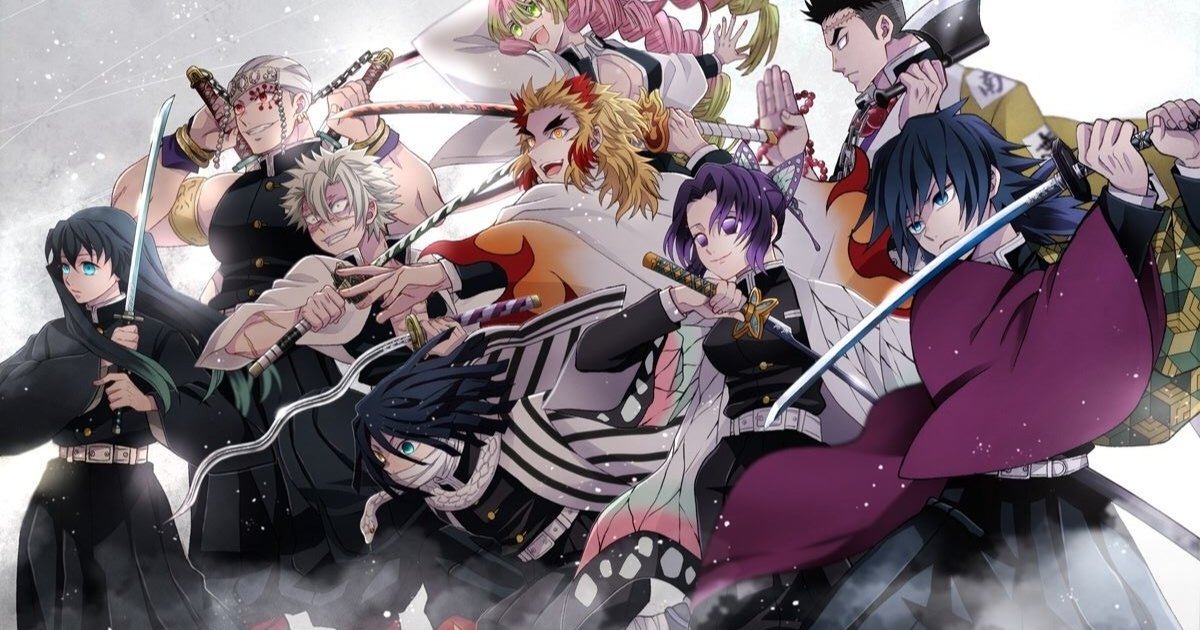
The influence of the Taisho Era on characters and plot
The Taisho Era not only shapes the world of Demon Slayer but also deeply influences the characters and their development.
Here’s how the historical setting impacts the story:
Cultural struggles and growth
Many characters, especially Tanjiro Kamado, are shaped by the era’s cultural values. Tanjiro’s respect for tradition, family, and honor fits well within the time’s ethos.
However, his journey forces him to confront new threats that challenge these values, leading to growth and adaptation as he battles demons and faces personal struggles.
The role of the Demon Slayer corps
The Demon Slayer Corps was formed long before the events of the Taisho Era, but the changing times require new strategies and techniques to combat the growing demon threat.
The rise of powerful demons, like Muzan Kibutsuji, and the development of Breathing Techniques reflect the adaptation of the Corps to the new challenges posed by the changing world.
The Demons and their impact on society
The demons in Demon Slayer are deeply tied to ancient traditions and the supernatural.
However, as Japan enters the Taisho Era, these demons become more dangerous as they interact with the evolving world.
This creates a tension between the old forces (the demons) and the new (the modernization of society), making the Taisho Era a perfect setting for the high-stakes battles that define the series.

FAQs about Demon Slayer and the Taisho Era
Wondering what era Demon Slayer is in? Check out these FAQs about the Taisho Era and how it influences the world and characters of Demon Slayer.
What era is Demon Slayer set in?
Why is the Taisho Era significant for Demon Slayer?
The Taisho Era represents a time of cultural and technological change in Japan, which allows for the clash between traditional values and modern advancements while also providing a fitting backdrop for the supernatural battles in the story.
What themes are explored in the Taisho Era of Demon Slayer?
The series explores themes of tradition versus modernization, the struggle against ancient forces (demons), and the rapid changes taking place in Japan during the Taisho Era.
How does the Taisho Era impact the characters in Demon Slayer?
The characters, especially Tanjiro and Nezuko, are shaped by the era’s cultural values, with their growth reflecting the challenges they face as the world around them changes.
Are there modern elements in the Taisho Era of Demon Slayer?
Yes, the Taisho Era in Demon Slayer combines traditional, rural settings with emerging modern cities, showing the conflict between the old world and the new.
How does the Taisho Era relate to the demons in Demon Slayer?
The demons, who are tied to ancient supernatural forces, represent the old world, while the Taisho Era symbolizes a time when these forces clash with modernity, increasing the stakes for the characters.
What role does the Demon Slayer Corps play in the Taisho Era?
The Demon Slayer Corps was formed to combat the demon threat, and during the Taisho Era, it faces new challenges posed by increasingly powerful demons and the changing society.
In conclusion, what era is Demon Slayer in? The series takes place during the Taisho Era in Japan, a time of rapid modernization and cultural shifts.
This era serves as a unique backdrop for the series, allowing the story to explore the tension between tradition and modernity, while also providing the perfect setting for the battles against demons.
The Taisho Era is not just a historical setting but a key element that shapes the plot and characters of Demon Slayer.
KunManga keeps you updated with the latest news and insights on Demon Slayer and other manga series. Wondering when does Demon Slayer come back? Check out more articles on KunManga!

Mary James is a contributor at KunManga, focused on identifying notable comic releases and emerging reading trends. Her work emphasizes relevance, easy discovery, and helping readers navigate Manga, Manhwa, and Manhua that are currently drawing attention.