
In Demon Slayer, What is Seppuku Demon Slayer refers to a cultural term that shows an extreme vow of responsibility or a tragic response to disgrace, not a breathing style or combat skill. Fans usually search it to understand the high-stakes pledge tied to trust and the emotional fallout from mentor–student betrayal.
Read the full article below on KunManga to learn What is Seppuku Demon Slayer clearly and discover more related Demon Slayer guides.
What is Seppuku Demon Slayer
In Demon Slayer, “seppuku” is not a breathing style, not a demon art, and not a combat mechanic. It is a word used to express an extreme promise of accountability or a tragic response to disgrace within a traditional honor framework.
When people search What is Seppuku Demon Slayer, they are usually trying to understand two story angles: a high stakes vow made during a critical judgment moment, and the emotional fallout tied to a mentor student tragedy.
Seppuku as a vow, not a technique
The Demon Slayer Corps is built on discipline, hierarchy, and strict standards around protecting human life. When seppuku is invoked as a vow, it functions as the strongest possible guarantee: “If my decision leads to harm, I accept the ultimate punishment.”
It is a way to make an argument feel binding in a world where trust is scarce and mistakes get people killed.
Seppuku as a symbol of atonement and shame
Demon Slayer also uses the concept as a tragic symbol. Some characters internalize responsibility so deeply that they believe another person’s failure stains them as well.
This is not framed as admirable or healthy, it is framed as heartbreaking, and it shows how harsh the moral code can be inside this setting.
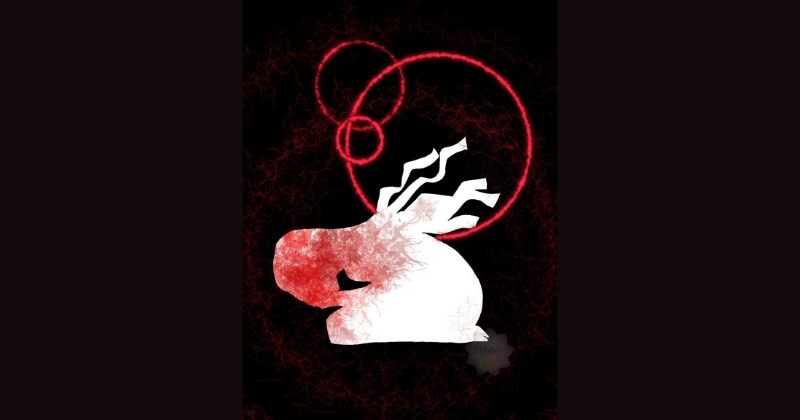
The key scene: why the Hashira take the pledge seriously
A major driver behind this keyword is the early conflict over Nezuko. The Hashira are not debating a minor rule.
They are confronting a demon traveling beside a human, which threatens the Corps’ core purpose.
Why the pledge matters for Nezuko’s acceptance
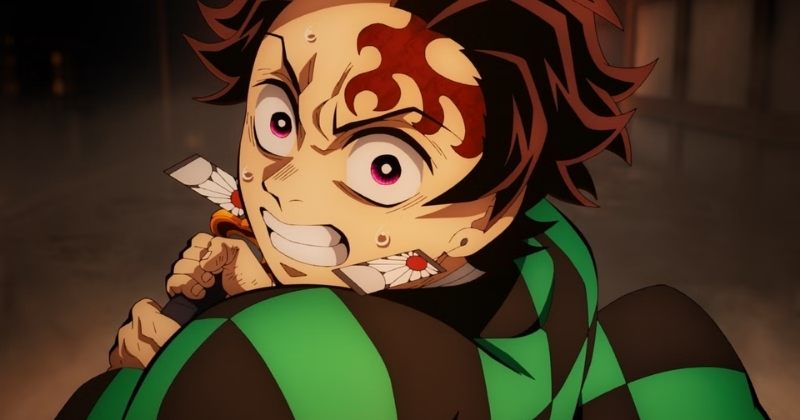
When a respected figure backs Tanjiro’s claim with a seppuku level promise, it changes the tone of the discussion. It tells the Hashira that this is not a naive hope, it is a life staked guarantee.
Even if they remain skeptical, the pledge establishes that the people defending Nezuko are prepared to bear consequences if they are wrong.
What the scene reveals about Demon Slayer’s worldview
This moment highlights a recurring pattern in the series: compassion is allowed, but it must be defended with discipline.
Demon Slayer often puts empathy and duty in the same room and forces characters to prove they can hold both.
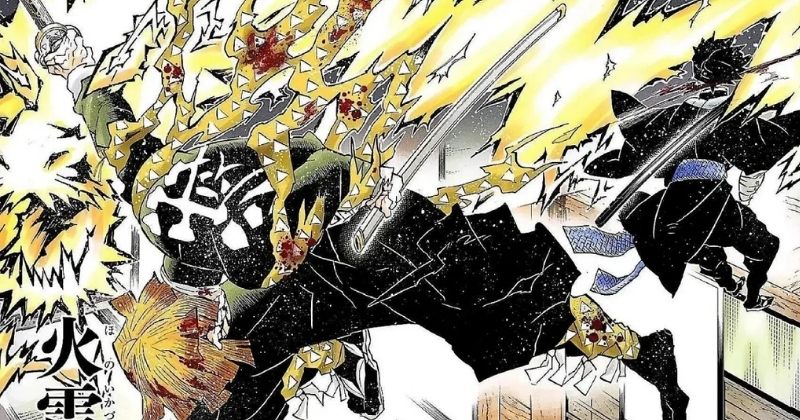
Zenitsu’s lineage and the tragic mentor connection
Another reason fans connect seppuku with Demon Slayer is the emotional weight tied to Zenitsu’s background and the consequences of betrayal.
Why betrayal hits harder in an honor based system
When someone trained under a respected mentor turns to the enemy, it is treated as more than personal failure. It becomes a rupture that wounds reputation, legacy, and the meaning of the training itself.
In that emotional logic, the mentor can feel responsible for what their student becomes, even if they did everything they could.
How it shapes Zenitsu’s resolve
Zenitsu’s development becomes more understandable when you see how heavy “responsibility” is in this world.
He is not just chasing strength. He is wrestling with what it means to carry a teacher’s faith, to stand for a legacy, and to prove that a student can honor their path even when others disgrace it.
Seppuku vs harakiri: are they different?
Many readers encounter both terms and assume they refer to different actions. In most everyday explanations, they point to the same idea, but the nuance differs. “Seppuku” is commonly treated as the more formal term, while “harakiri” can sound more blunt or casual depending on context.
Demon Slayer discussions usually prefer “seppuku” because it matches the solemn tone of vows and consequences in the Corps.
Why the term is popular in games and fan communities
A lot of searches happen because fans see “seppuku” used in Demon Slayer inspired spaces like games, servers, or memes. In those contexts, the word can be used loosely, sometimes as dramatic flavor text for failure or punishment.
That does not mean the canon story is filled with seppuku scenes. It means the term has become a recognizable symbol that communities reuse because it sounds intense and culturally tied to the series’ atmosphere.
Core takeaways for readers
Here is a quick list to lock in the meaning without overthinking it:
- Seppuku in Demon Slayer is a cultural reference, not a combat move
- It signals extreme accountability, usually tied to a vow or disgrace
- It reinforces themes of duty, trust, and consequences
- It is used to deepen emotion, not to add new powers
- How it connects to Demon Slayer’s bigger themes
Demon Slayer constantly asks what it costs to protect people. Characters pay with their bodies, their time, their relationships, and their peace of mind.
The seppuku concept fits because it is a narrative shorthand for irreversible consequence.
That is also why people asking about themes often jump from this topic to broader questions like what happens at the end of Demon Slayer, because the series ultimately resolves its moral tension by moving from endless sacrifice into a hard earned peace after the central evil is defeated.
FAQs
What is seppuku in Demon Slayer?
It is a cultural term used to express an extreme level of responsibility and atonement. In Demon Slayer, it is not a fighting style or ability, it is language that raises the moral stakes of a vow or the tragedy of disgrace.
Is seppuku a breathing style?
No. Breathing styles are combat systems like Water Breathing or Thunder Breathing. Seppuku is not part of the power system and does not grant strength.
Why do characters mention seppuku at all?
Because Demon Slayer is written with Japanese cultural framing, and the term communicates seriousness instantly. It tells the audience that a promise is meant to be absolute, or that shame is portrayed as crushing in that worldview.
Does Demon Slayer show graphic seppuku scenes?
The story focuses more on emotional consequence than on explicit depiction. When the concept appears, the emphasis is usually on what it means for responsibility, grief, and motivation.
Is “harakiri” the same as seppuku?
They generally refer to the same act, but “seppuku” is often used in a more formal, solemn tone. “Harakiri” can sound more casual or blunt depending on who is speaking and how it is used.
Why do I see seppuku in Demon Slayer games?
Fan games and inspired games sometimes reuse the term for dramatic effect. That usage may be exaggerated or meme like, and it is separate from how the canon story uses the concept to express duty and consequence.
Conclusion
Seppuku in Demon Slayer is best understood as a symbol of absolute accountability, not a hidden technique. It appears to intensify trust based decisions and to highlight how harsh the burden of responsibility can become.
If you want more Demon Slayer explanations, character guides, and arc breakdowns, read more related articles on KunManga.<

Mary James is a contributor at KunManga, focused on identifying notable comic releases and emerging reading trends. Her work emphasizes relevance, easy discovery, and helping readers navigate Manga, Manhwa, and Manhua that are currently drawing attention.