
Demon Slayer: Infinity Castle is rated R due to stronger graphic violence, disturbing imagery, and darker mature themes than earlier arcs.
The Infinity Castle arc is Demon Slayer’s final major battle, where the Demon Slayer Corps enters the shifting fortress and fights Muzan’s strongest forces with almost nonstop combat.
It’s far more brutal and psychologically heavy than earlier arcs, with explicit injuries, deaths, and constant tension – one reason it’s considered R-level intensity.
Read the full breakdown below on KunManga to understand Why is Demon Slayer Infinity Castle rated R.
Why is Demon Slayer Infinity Castle rated R?
Demon Slayer: Infinity Castle is rated R because of its intense graphic violence, disturbing imagery, and mature psychological themes that go far beyond previous arcs in the series.
This rating reflects the arc’s darker tone, higher body count, and explicit depictions of brutality that are not suitable for younger audiences.
While Demon Slayer has always contained violence, the Infinity Castle arc marks a significant escalation in both visual intensity and emotional weight. The rating is not a marketing choice, but a direct response to the content presented in this final stage of the story.
To fully understand why this arc earned an R rating, it’s important to examine how Infinity Castle differs from earlier Demon Slayer arcs.
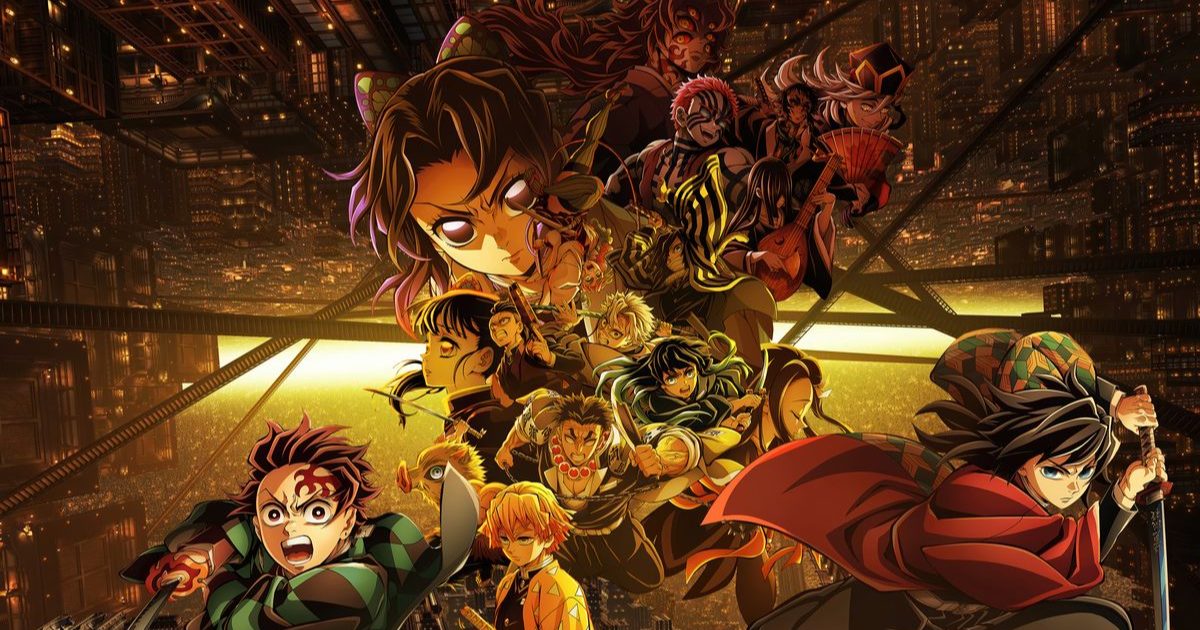
What is the Infinity Castle arc in Demon Slayer?
The Infinity Castle arc is the final major battle arc in Demon Slayer: Kimetsu no Yaiba. It serves as the direct lead-in to the series’ conclusion and features the decisive confrontation between the Demon Slayer Corps and Muzan Kibutsuji’s strongest forces.
Unlike earlier arcs that balance action with moments of calm, Infinity Castle is relentless. The setting itself is hostile, disorienting, and designed to trap characters in constant combat. From the moment the arc begins, the story rarely slows down.
This nonstop intensity is one of the first reasons why Demon Slayer Infinity Castle is rated R.
How violent is the Infinity Castle arc?
The violence in Infinity Castle is far more explicit than anything previously shown in Demon Slayer.
In earlier arcs, fights often ended quickly or cut away before extreme damage was shown. In Infinity Castle, injuries are prolonged, detailed, and unavoidable. Characters suffer severe wounds, dismemberment, and brutal deaths that are shown on screen or described vividly in the manga.
Bloodshed is constant, and the arc does not shy away from showing the physical cost of fighting demons at the highest level.
This level of violence alone pushes the content beyond PG-13 standards.
Key elements that contributed to the R rating
Several specific factors led to the R rating for Demon Slayer Infinity Castle:
- Graphic depictions of injuries, including severed limbs and crushed bodies
- Extended fight scenes with sustained blood loss and visible suffering
- Brutal on-screen deaths of both heroes and demons
- Dark, claustrophobic environments that amplify fear and tension
These elements combine to create a viewing experience that is far more intense than previous seasons.
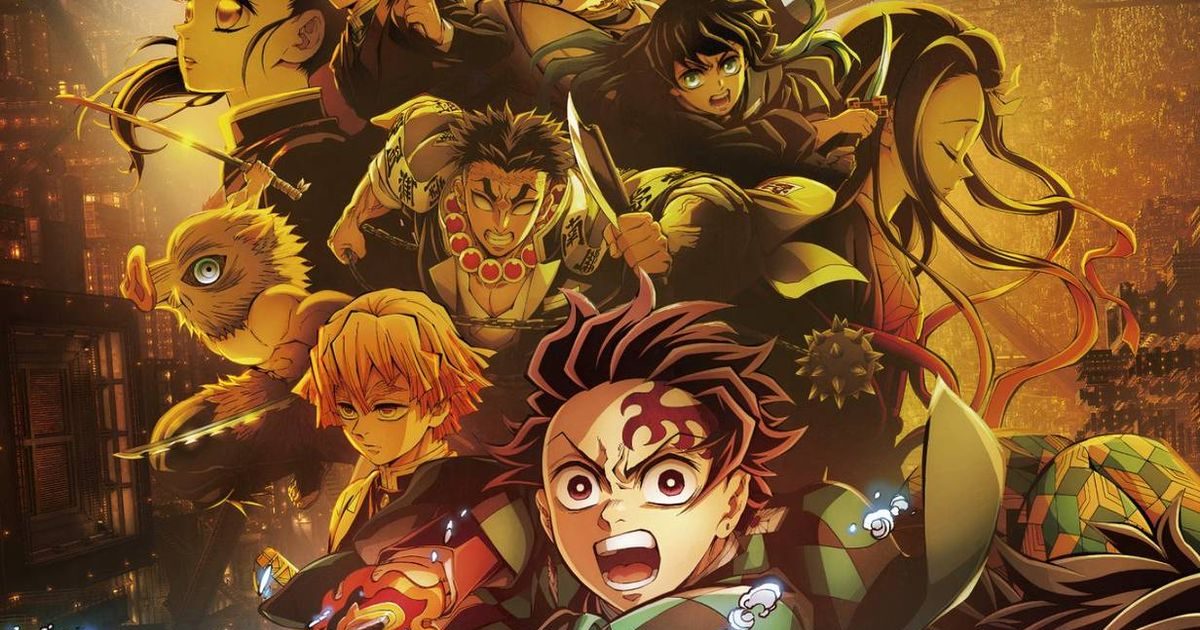
Psychological themes are darker than ever
Beyond physical violence, Infinity Castle introduces heavy psychological themes that further justify its R rating.
Characters face hopeless situations where escape seems impossible. The arc explores fear, despair, sacrifice, and the mental toll of fighting an enemy that feels unstoppable. Several characters are pushed to their emotional breaking points, and the story lingers on their internal struggles.
This psychological weight adds another layer of maturity to the arc, making it unsuitable for younger viewers even without the graphic visuals.
Why Infinity Castle feels more disturbing than earlier arcs
Earlier Demon Slayer arcs, such as Mugen Train or the Entertainment District, had moments of relief and emotional warmth. Infinity Castle removes most of that balance.
The arc is set almost entirely in a warped, endless fortress controlled by demons. The environment constantly shifts, disorients characters, and isolates them from allies. This creates a sense of helplessness that persists throughout the arc.
The lack of safety or rest amplifies the horror elements, making the story feel more oppressive and emotionally exhausting.
Does the manga version also justify an R rating?
Yes. Even in manga form, Infinity Castle is significantly more graphic than previous arcs.
While animation can heighten violence through motion and sound, the source material itself contains detailed artwork depicting injuries, grotesque demon designs, and intense emotional expressions.
The manga does not censor the consequences of battle, which is why the anime adaptation follows the same tone.
This consistency between manga and anime explains why the R rating was expected by many long-time readers.
How Infinity Castle compares to other Demon Slayer arcs
Infinity Castle stands apart from the rest of Demon Slayer in both scale and brutality.
Earlier arcs focus on one or two major battles at a time. Infinity Castle throws nearly every remaining character into simultaneous life-or-death fights. The pacing is faster, the stakes are higher, and the losses are more severe.
The arc also features the strongest demons in the series, forcing the Demon Slayers to fight at their absolute limits.
This escalation naturally results in darker content and a higher age rating.
Is the R rating common for anime movies or arcs?
R ratings are relatively rare for mainstream shounen anime, but not unheard of when stories reach extreme conclusions.
Final arcs often remove restrictions to fully portray the consequences of long-running conflicts. In Demon Slayer’s case, Infinity Castle represents the end of a war that has been building for the entire series.
The R rating signals that the story has reached a point where sanitizing the violence would weaken its impact.
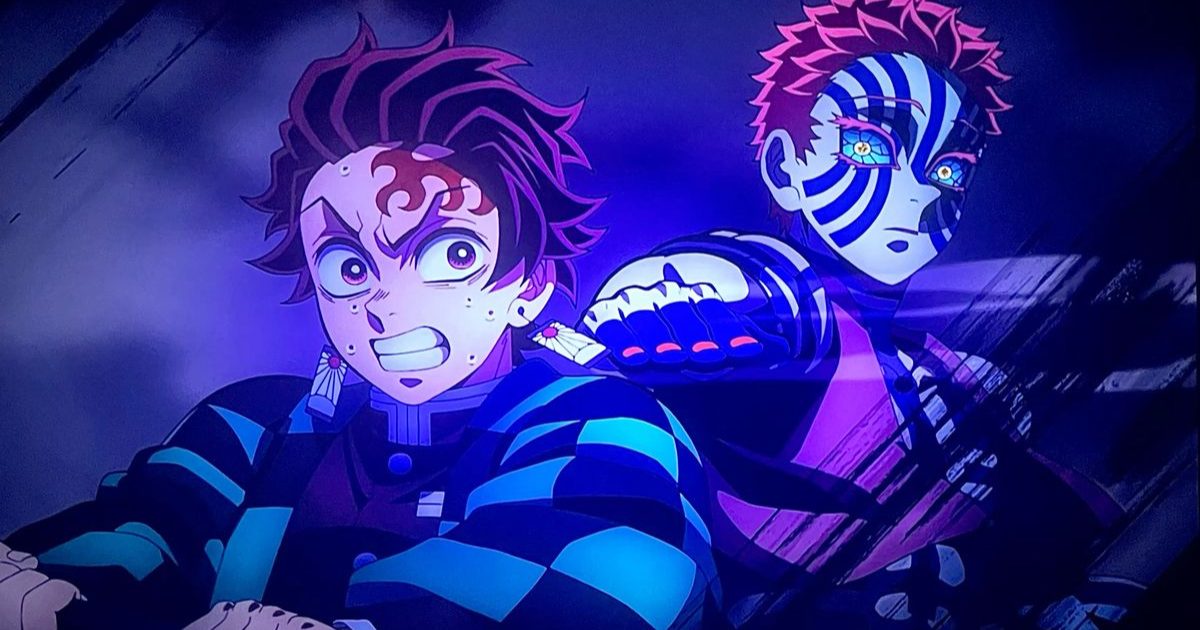
Will the R rating affect Demon Slayer’s popularity?
Unlikely. In fact, the R rating may strengthen the arc’s reception among older fans.
Many viewers who grew up with Demon Slayer are now older teenagers or adults. The darker tone aligns with the audience’s maturity and expectations for a final arc.
Rather than limiting its reach, the rating emphasizes that Infinity Castle is a serious, high-stakes conclusion to the story.
Should younger viewers watch Infinity Castle?
That depends on individual tolerance and parental guidance.
While Demon Slayer has always included violence, Infinity Castle is significantly more intense. Parents and guardians should be aware that this arc contains content far more graphic than earlier seasons.
The R rating exists to set clear expectations and help viewers make informed decisions.
FAQs about why Demon Slayer Infinity Castle is rated R
Why is Demon Slayer Infinity Castle rated R?
It is rated R due to graphic violence, intense bloodshed, disturbing imagery, and mature psychological themes.
Is Infinity Castle darker than previous Demon Slayer arcs?
Yes, it is the darkest and most brutal arc in the entire series.
Does the R rating apply to both anime and manga?
The rating mainly applies to the anime adaptation, but the manga content is also very graphic.
Is Infinity Castle suitable for kids?
No, the content is not recommended for younger viewers.
Does every Demon Slayer movie have an R rating?
No, Infinity Castle stands out due to its extreme content.
Will future Demon Slayer content also be rated R?
That depends on how closely future adaptations follow the manga’s darker material.
In summary, why is Demon Slayer Infinity Castle rated R comes down to one clear reason: the arc unapologetically shows the true cost of war. Through graphic violence, disturbing imagery, and emotionally heavy storytelling, Infinity Castle pushes Demon Slayer into mature territory that demands a higher age rating.
This rating reflects the seriousness of the arc and ensures that its impact is not diluted; especially as the story moves toward its final outcome and fans ask how does Demon Slayer end.
For more detailed Demon Slayer breakdowns, arc explanations, and anime rating guides, read more related articles on KunManga, where in-depth anime analysis is updated regularly.

Mary James is a contributor at KunManga, focused on identifying notable comic releases and emerging reading trends. Her work emphasizes relevance, easy discovery, and helping readers navigate Manga, Manhwa, and Manhua that are currently drawing attention.